Museum of Indian Devotional Heritage
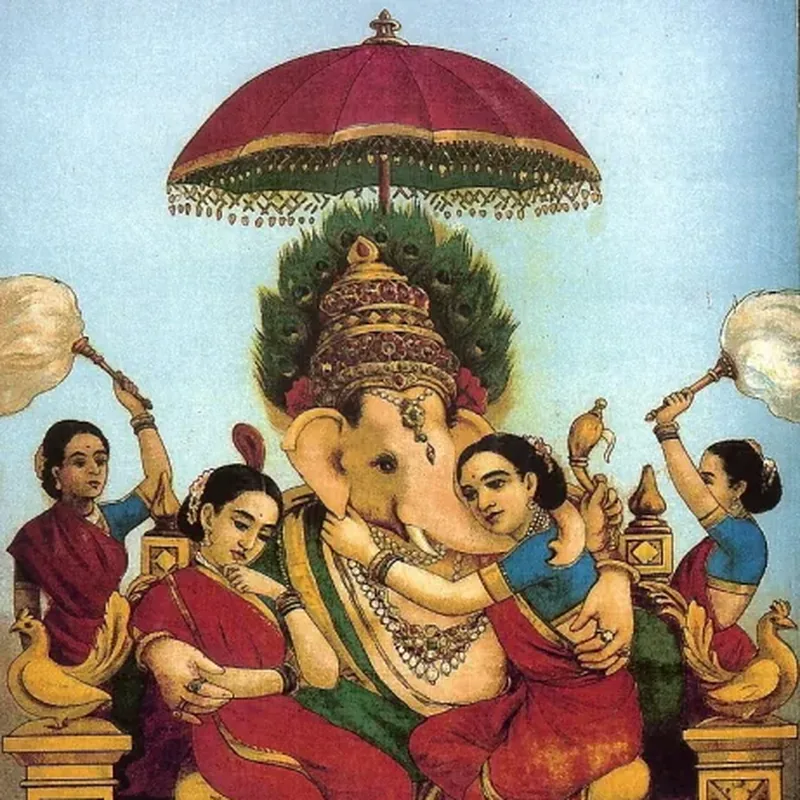
वक्रतुण्ड महाकाय सूर्यकोटि समप्रभ
“O curved-trunk, mighty one, radiant as a million suns — make all my undertakings free of obstacles.”
Ganesha invocation · Ancient
The verse with which countless ceremonies begin, invoking the remover of obstacles before any new venture.
Today’s Reflection
“O curved-trunk, mighty one, radiant as a million suns — make all my undertakings free of obstacles.”
— Ganesha invocation · Ancient
Showing 32 bhajans in हिन्दी
Bhajanગુજરાતી
Vaishnava Jana To
Narsinh Mehta · 15th century
Gujarat's beloved definition of a true devotee: one who feels another's pain as their own.
Read & recite →
Bhajanहिन्दी
Raghupati Raghav Raja Ram
Traditional (popularised by Mahatma Gandhi) · Traditional
Lord of the Raghu clan, King Ram, redeemer of the fallen, Sita-Ram.
Read & recite →
Chalisaहिन्दी
Hanuman Chalisa
Tulsidas · 16th century
A 40-verse hymn to Hanuman — courage, strength and unwavering devotion, recited daily across India.
Read & recite →
Aartiहिन्दी
Om Jai Jagdish Hare
Pandit Shardha Ram Phillauri · 1870
Victory to the Lord of the universe, who in a moment removes the afflictions of his devotees.
Read & recite →
Aartiहिन्दी
Jai Shiv Omkara
Pandit Shivanand Swami · 19th century
Victory to Lord Shiva, the embodiment of Om.
Read & recite →
Aartiहिन्दी
Jai Ganesh Jai Ganesh Deva
Traditional · Traditional
Glory to Lord Ganesh, son of Parvati and Mahadev.
Read & recite →
Aartiहिन्दी
Jai Ambe Gauri
Traditional · Traditional
Glory to Mother Amba, the fair and the dark one.
Read & recite →
Aartiमराठी
Aarti Sai Baba
Madhav Adkar · 1888
We offer aarti to Sai Baba, the giver of happiness to the soul.
Read & recite →
Aartiहिन्दी
Tulsi Aarti
Traditional · Traditional
Glory to Tulsi Mata, giver of joy to all the world, renowned as the bestower of boons — meditated upon by Brahma, Hari, and Har.
Read & recite →
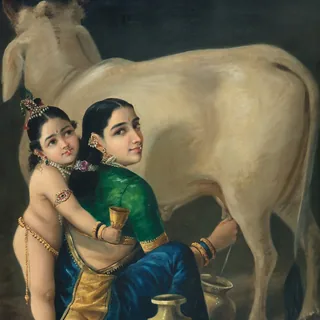
Bhajanहिन्दी
Shri Krishna Govind Hare Murari
Traditional · Traditional
Glory to Shri Krishna, Govind, Hari, Murari — slayer of Mura.
Read & recite →
Bhajanहिन्दी
Payoji Maine Ram Ratan Dhan Payo
Mirabai · 16th century
Mirabai's song of finding the priceless jewel of the Divine Name — a wealth no one can steal.
Read & recite →
Chalisaहिन्दी
Hanuman Chalisa — Complete
Tulsidas · 16th century
The complete 40-verse hymn (chalisa) by Goswami Tulsidas.
Read & recite →
Stutiहिन्दी
Shri Ramchandra Kripalu
Tulsidas · 16th century
O mind, sing of merciful Shri Ramchandra, dispeller of the dreadful fears of worldly existence.
Read & recite →
Bhajanसंस्कृत
Sundarkand — Mangalacharan
Tulsidas · 16th century
The auspicious opening of the Ramayana's most beloved chapter — Hanuman's leap to Lanka.
Read & recite →
Bhajanहिन्दी
Bura Jo Dekhan — Kabir Doha
Sant Kabir · 15th century
Kabir's mirror couplet — 'I went looking for the bad, and found the worst in myself.'
Read & recite →
Bhajanગુજરાતી
Vaishnav Jan To
Narsinh Mehta · 15th century
Narsinh Mehta's hymn on true devotion — Gandhi's favourite bhajan.
Read & recite →
Bhajanहिन्दी
Darshan Do Ghanshyam
Surdas (traditionally attributed) · 16th century
A blind poet's yearning plea for a vision of Krishna.
Read & recite →
Bhajanहिन्दी
Thumak Chalat Ramchandra
Tulsidas · 16th century
Tulsidas's tender vision of the child Rama learning to walk.
Read & recite →
Bhajanहिन्दी
Mero Pyaro Aayo (Meera bhajan)
Mirabai · 16th century
Mirabai rejoices in the imperishable wealth of Krishna's name.
Read & recite →
Bhajanहिन्दी
He Nath Narayan Vasudeva
Traditional · Traditional
A simple traditional kirtan weaving the names of Narayan, Ram and Shyam.
Read & recite →
Ashtakamहिन्दी
Sankat Mochan Hanumanashtak
Tulsidas · 16th century
Tulsidas's plea to Hanuman, the remover of all troubles.
Read & recite →
Aartiहिन्दी
Aarti Kunj Bihari Ki
Surdas (traditionally attributed) · 16th century
The beloved aarti of Krishna, lord of the Vrindavan bowers.
Read & recite →
Bhajanहिन्दी
Govind Bolo Hari Gopal Bolo
Traditional · Traditional
A joyful call-and-response kirtan of the names of Krishna.
Read & recite →
Bhajanहिन्दी
Maiya Mori Main Nahi Makhan Khayo
Surdas · 16th century
Surdas's scene of child Krishna denying he stole the butter.
Read & recite →
Bhajanहिन्दी
He Govind Rakho Sharan
Surdas (traditionally attributed) · 16th century
Gajendra's desperate cry of surrender to Govinda.
Read & recite →
Mantraहिन्दी
Shri Ram Jay Ram (Taraka Mantra)
Traditional · Traditional
The thirteen-syllable Ram-dhun chanted to cross worldly life.
Read & recite →
Aartiहिन्दी
Om Jai Lakshmi Mata
Traditional · Traditional
The Lakshmi aarti sung at Diwali pujan.
Read & recite →
Stotraहिन्दी
Bajrang Baan — Opening
Tulsidas (attributed) · 16th century
The 'arrow of Hanuman' — a fierce, fast-acting plea for protection and the swift end of distress.
Read & recite →
Stotraहिन्दी
Hanuman Bahuk (Opening)
Goswami Tulsidas · 16th century
Tulsidas's heartfelt plea to Hanuman for relief from suffering of body and mind.
Read & recite →
Bhajanहिन्दी
Hindi-01 Section 1
Traditional
A bhajan attributed to Traditional.
Read & recite →
Bhajanहिन्दी
सिद्धि-लालसा
Traditional
A bhajan attributed to Traditional.
Read & recite →
Bhajanहिन्दी
राधे राधे रटो चले आयेंगे बिहारी
Traditional
A bhajan attributed to Traditional.
Read & recite →