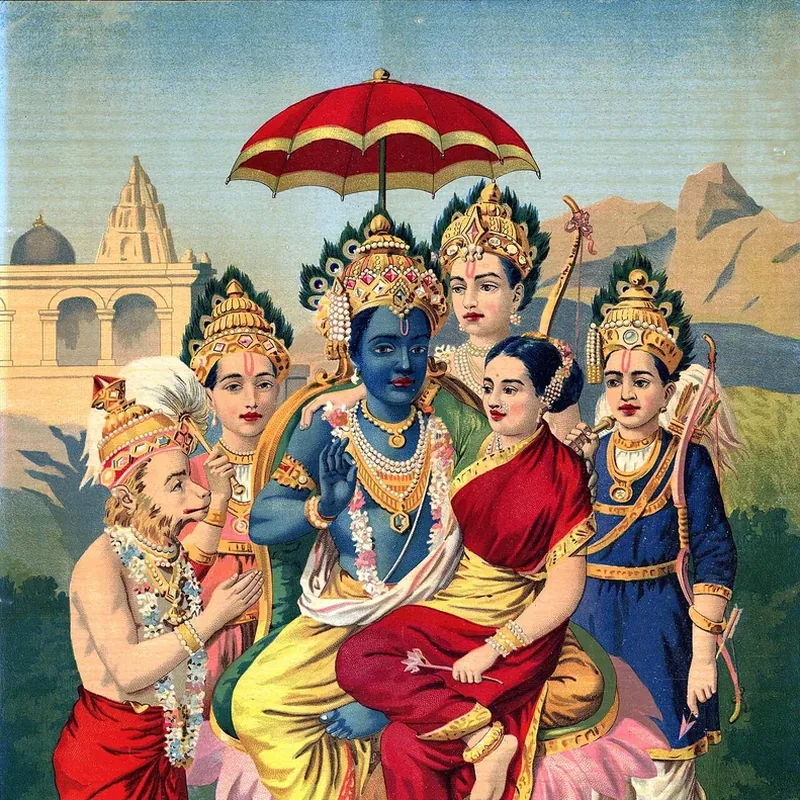
Kabir15th century
बुरा जो देखन मैं चला (कबीर दोहा)
Bura Jo Dekhan — Kabir Doha
By Sant Kabir · हिन्दी
॥ સત્ સાહેબ ॥
Sat Saheb
बुरा जो देखन मैं चला (कबीर दोहा)
Bura Jo Dekhan — Kabir Doha
By Sant Kabir
हिन्दी · 15th century · Bhajan
~1 min readNirguna sant tradition
A doha (couplet) by the 15th-century weaver-saint Kabir. It turns the search for fault inward, away from judging others. Two lines that have outlasted empires by saying one true thing plainly.
- Author
- Sant Kabir
- Language
- हिन्दी
- Literary form
- Bhajan
- Century
- 15th century
- Tradition
- Nirguna sant tradition
Voice Lab
Recite in My Voice
Record yourself reciting or singing this work once. Stored only on this device, never uploaded. The player will use your recording instead of the synthetic chant whenever you tap play.
बुरा जो देखन मैं चला, बुरा न मिलिया कोय। जो दिल खोजा आपना, मुझसे बुरा न कोय॥
ऐसी वाणी बोलिये, मन का आपा खोय। औरन को शीतल करे, आपहु शीतल होय॥
साईं इतना दीजिये, जा में कुटुम समाय। मैं भी भूखा न रहूँ, साधु न भूखा जाय॥
Meaning
I set out looking for the evil-doer, and found none — for when I searched my own heart, no one was worse than me. Speak such words that you lose your ego — words that bring coolness to others, and to yourself. O Lord, grant me just enough — so my family is fed, I never go hungry, and no sadhu turns away hungry from my door.
Devotional companion
About
A doha (couplet) by the 15th-century weaver-saint Kabir. It turns the search for fault inward, away from judging others. Two lines that have outlasted empires by saying one true thing plainly.
Meaning
Kabir's mirror couplet — 'I went looking for the bad, and found the worst in myself.'
In depth
I set out looking for the evil-doer, and found none — for when I searched my own heart, no one was worse than me. Speak such words that you lose your ego — words that bring coolness to others, and to yourself. O Lord, grant me just enough — so my family is fed, I never go hungry, and no sadhu turns away hungry from my door.
History & context
Kabir (15th century) was a weaver of Varanasi whose blunt, casteless couplets are claimed by Hindus, Muslims and Sikhs alike. His dohas reduce vast spiritual truths to a few unforgettable words.
Why people recite it
Quoted in everyday speech, satsang and teaching as a check against self-righteousness — a couplet people reach for when tempted to judge.
Life lessons
- Before correcting the world, look honestly within. The harshest critic and the person most able to change are the same — you.
Key themes
KabirDohaIntrospectionBhajan
About the author
Sant Kabir
संत कबीर
- Era
- 15th century CE (traditional)
- Region
- Kashi (Varanasi)
- Tradition
- Nirguna sant tradition
Sant Kabir was a weaver-poet of Kashi whose blunt, luminous couplets (dohas) cut through ritual and dogma to point at the formless divine within. Equally critical of empty practice among Hindus and Muslims alike, he sang of a God beyond name and image, found through love, honesty and inner awakening.
His verses are preserved in the Bijak, in the Guru Granth Sahib of the Sikhs, and in countless folk traditions. Few poets are quoted so widely in everyday speech: his images of the swan, the water in the pitcher and the deer carrying musk in its own body have become part of the language itself.
Almost nothing of his life is documented; his dates, birth and the famous stories around him belong to tradition rather than record.
Notable works
Kabir ke DoheBijakSakhiRamaini
Kabir's dates and life are almost entirely traditional; very little is documented.
You may also like
Bhajanગુજરાતી
Vaishnava Jana To
Narsinh Mehta · 15th century
Gujarat's beloved definition of a true devotee: one who feels another's pain as their own.
Read & recite →
Stotraसंस्कृत
Bhaja Govindam (Moha Mudgara)
Adi Shankaracharya · 8th century
Adi Shankara's stirring call to seek God over worldly attachment.
Read & recite →
Bhajanहिन्दी
Payoji Maine Ram Ratan Dhan Payo
Mirabai · 16th century
Mirabai's song of finding the priceless jewel of the Divine Name — a wealth no one can steal.
Read & recite →
Source & trust
Public domain
- Attribution
- Sant Kabir
- Language
- हिन्दी · 15th century
- Source
- Public domain — Sant Kabir, 15th century.
- References
Devotional commentary and life lessons are editorial reflections. Historical details are limited to well-documented facts; devotional belief is labelled as tradition, never presented as proven history.