Museum of Indian Devotional Heritage
वक्रतुण्ड महाकाय सूर्यकोटि समप्रभ
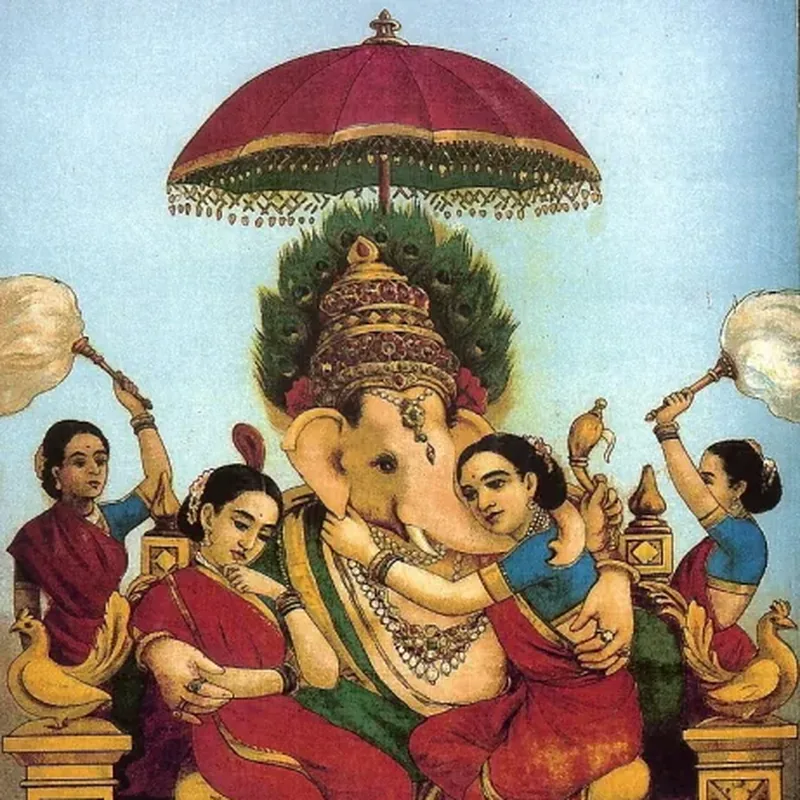
“O curved-trunk, mighty one, radiant as a million suns — make all my undertakings free of obstacles.”
Ganesha invocation · Ancient
The verse with which countless ceremonies begin, invoking the remover of obstacles before any new venture.
Today’s Reflection
“O curved-trunk, mighty one, radiant as a million suns — make all my undertakings free of obstacles.”
— Ganesha invocation · Ancient
Showing 108 bhajans in संस्कृत
Stotraसंस्कृत
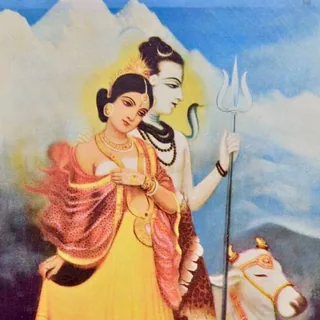
Shiva Tandava Stotram
Ravana (traditional) · Ancient
Ravana's thunderous Sanskrit hymn to Shiva — the cosmic dance set to roaring metre.
Read & recite →
Stutiसंस्कृत
Achyutam Keshavam
Traditional · Traditional
I worship the Infallible One, Keshava, Rama, Narayana; Krishna the bound-bellied, Vasudeva, Hari; bearer of Lakshmi (Shridhara), Madhava, beloved of…
Read & recite →
Mantraसंस्कृत
Gayatri Mantra
Vishvamitra (Rigveda 3.62.10) · Vedic
Om — earth, atmosphere, heavens.
Read & recite →
Mantraसंस्कृत
Mahamrityunjaya Mantra
Rishi Markandeya (Rigveda 7.59.12) · Vedic
The great 'victory over death' mantra to Shiva — a Vedic prayer for healing and fearlessness.
Read & recite →
Prayerसंस्कृत
Asato Ma Sadgamaya
Brihadaranyaka Upanishad 1.3.28 · Vedic
Lead me from the unreal to the real.
Read & recite →
Prayerसंस्कृत
Twameva Mata cha Pita Twameva
Pandava Gita (traditional) · Traditional
You alone are my mother and father.
Read & recite →
Shlokaसंस्कृत
Vakratunda Mahakaya
Traditional Ganesh dhyana · Ancient
O curved-trunked, mighty-bodied one, radiant as a million suns — make all my undertakings free of obstacles, always.
Read & recite →
Ashtakamसंस्कृत
Madhurashtakam
Vallabhacharya · 15th century
Eight verses on the sweetness of Krishna — where every line ends in 'madhuram', sweet.
Read & recite →
Bhajanसंस्कृत
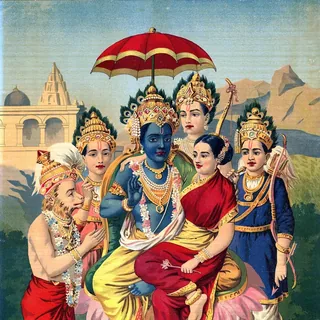
Sundarkand — Mangalacharan
Tulsidas · 16th century
The auspicious opening of the Ramayana's most beloved chapter — Hanuman's leap to Lanka.
Read & recite →
Stotraसंस्कृत
Ram Raksha Stotra — Opening
Budha-Kausika Rishi · Ancient
A 'shield of Rama' — a protective Sanskrit hymn invoking Rama's guard over every part of the body.
Read & recite →
Shlokaसंस्कृत
Bhagavad Gita 2.47
Vyasa (Bhagavad Gita) · Ancient
You have the right to action alone, never to its fruits.
Read & recite →
Shlokaसंस्कृत
Bhagavad Gita 4.7–8
Vyasa (Bhagavad Gita) · Ancient
Whenever there is decline of dharma, O Bharata, and rise of adharma, then I manifest myself.
Read & recite →
Shlokaसंस्कृत
Bhagavad Gita 18.66
Vyasa (Bhagavad Gita) · Ancient
Abandoning all dharmas, take refuge in Me alone.
Read & recite →
Mantraसंस्कृत
Navkar Mahamantra
Traditional (Jain) · Ancient
I bow to the Arihantas (worthy souls).
Read & recite →
Stotraसंस्कृत
Bhaja Govindam (Moha Mudgara)
Adi Shankaracharya · 8th century
Adi Shankara's stirring call to seek God over worldly attachment.
Read & recite →
Stotraसंस्कृत
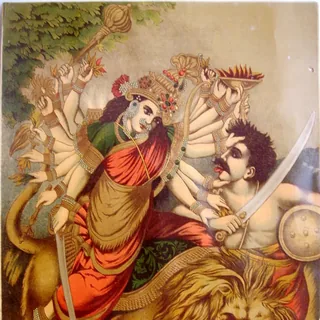
Mahishasura Mardini Stotram (Aigiri Nandini)
Adi Shankaracharya (traditionally attributed) · 8th century
The thunderous Navratri hymn to Durga, slayer of the buffalo-demon.
Read & recite →
Ashtakamसंस्कृत
Achyutashtakam
Adi Shankaracharya (traditionally attributed) · 8th century
An eight-verse garland of Vishnu-Krishna's many beloved names.
Read & recite →
Stotraसंस्कृत
Sri Suktam (opening)
Rigveda (Khila Sukta) · Vedic
The Rigvedic hymn to Lakshmi for prosperity and grace.
Read & recite →
Stotraसंस्कृत
Kanakadhara Stotram (opening)
Adi Shankaracharya · 8th century
Shankaracharya's hymn that rained gold for the destitute.
Read & recite →
Shlokaसंस्कृत
Saraswati Namastubhyam
Traditional Sanskrit prayer · Ancient
The student's prayer to Saraswati before study.
Read & recite →
Shlokaसंस्कृत
Ya Kundendu Tushara Hara
Traditional (Saraswati Vandana) · Ancient
The classic invocation of Saraswati, remover of ignorance.
Read & recite →
Shlokaसंस्कृत
Sarva Mangala Mangalye
Durga Saptashati (Markandeya Purana) · Ancient
The crowning prayer of the Devi Mahatmya to Narayani.
Read & recite →
Shlokaसंस्कृत
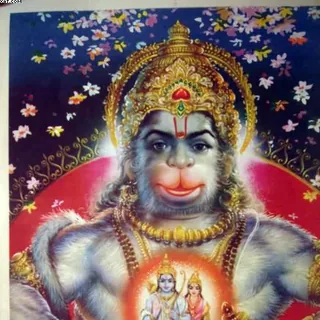
Manojavam Marutatulyavegam
Valmiki Ramayana tradition · Ancient
The classic dhyana shloka invoking Hanuman, Rama's messenger.
Read & recite →
Ashtakamसंस्कृत
Jagannathashtakam
Adi Shankaracharya (traditionally attributed) · 8th century
Shankaracharya's hymn to Jagannath of Puri, sung at Rath Yatra.
Read & recite →
Mantraसंस्कृत
Hare Krishna Maha Mantra
Kali-Santarana Upanishad · Ancient
The sixteen-name great mantra of Krishna and Rama.
Read & recite →
Mantraसंस्कृत
Om Namo Bhagavate Vasudevaya
Traditional (Dvadasakshari Mantra) · Ancient
The twelve-syllable salutation to Lord Vasudeva.
Read & recite →
Shlokaसंस्कृत
Yada Yada Hi Dharmasya
Bhagavad Gita (4.7–4.8) · Ancient
Krishna's Gita vow to be born age after age to restore dharma.
Read & recite →
Shlokaसंस्कृत
Shantakaram Bhujagashayanam
Traditional (Vishnu Dhyana) · Ancient
The serene meditation verse on Vishnu reclining on Shesha.
Read & recite →
Shlokaसंस्कृत
Mangalam Bhagavan Vishnu
Traditional (Mangala shloka) · Ancient
A benedictory verse invoking the auspiciousness of Vishnu.
Read & recite →
Shlokaसंस्कृत
Karpur Gauram Karunavataram
Traditional (Shiva Dhyana) · Ancient
The camphor-white verse closing Shiva's aarti.
Read & recite →
Shlokaसंस्कृत
Gajananam Bhutaganadi Sevitam
Traditional (Ganesha Dhyana) · Ancient
The elephant-faced Lord's classic dhyana shloka.
Read & recite →
Shlokaसंस्कृत
Guru Brahma Guru Vishnu
Guru Gita (Skanda Purana) · Ancient
The central verse revering the Guru as the Supreme.
Read & recite →
Shlokaसंस्कृत
Shubham Karoti Kalyanam
Traditional (Deepa shloka) · Ancient
The verse recited while lighting the evening lamp.
Read & recite →
Shlokaसंस्कृत
Om Sarve Bhavantu Sukhinah
Traditional (Shanti Mantra) · Ancient
The universal Sanskrit prayer for the welfare of all beings.
Read & recite →
Sahasranamaसंस्कृत
Vishnu Sahasranamam — Opening
Veda Vyasa · Ancient (Mahabharata)
The thousand names of Vishnu — Bhishma's final teaching, the great hymn of the Vaishnava tradition.
Read & recite →
Kavachसंस्कृत
Devi Kavacham — Opening
Markandeya Rishi · Ancient (Markandeya Purana)
The 'armour of the Goddess' — a protective hymn invoking the Divine Mother to guard every direction.
Read & recite →
Stotraसंस्कृत
Aditya Hridayam
Sage Agastya (Valmiki Ramayana) · Pre-Christian era
The 'heart of the Sun' — the hymn the sage Agastya taught Rama before his final battle.
Read & recite →
Stotraसंस्कृत
Siddha Kunjika Stotram
Rudra Yamala Tantra (Shiva to Parvati) · Ancient
The 'master key' stotra of the Durga Saptashati — a short, potent hymn to the Goddess.
Read & recite →
Ashtakamसंस्कृत
Mahalakshmi Ashtakam
Indra (from Padma Purana) · Ancient
Eight verses to Mahalakshmi — goddess of abundance, grace and inner wealth.
Read & recite →
Stotraसंस्कृत
Saraswati Vandana
Traditional Sanskrit prayer · Pre-modern
Salutations to Goddess Saraswati — white as the jasmine, the moon, and snow; clad in pure white; bearing the veena, holding mala and scripture; seate…
Read & recite →
Shlokaसंस्कृत
विद्या-मन्दिरकी प्रार्थना
Traditional
A shloka attributed to Traditional.
Read & recite →
Shlokaसंस्कृत
विद्या-मन्दिरकी प्रार्थना
Traditional
A shloka attributed to Traditional.
Read & recite →
Shlokaसंस्कृत
विद्या-मन्दिरकी प्रार्थना
Traditional
A shloka attributed to Traditional.
Read & recite →
Shlokaसंस्कृत
विद्या-मन्दिरकी प्रार्थना
Traditional
A shloka attributed to Traditional.
Read & recite →
Shlokaसंस्कृत
विद्या-मन्दिरकी प्रार्थना
Traditional
A shloka attributed to Traditional.
Read & recite →
Shlokaसंस्कृत
विद्या-मन्दिरकी प्रार्थना
Traditional
A shloka attributed to Traditional.
Read & recite →
Shlokaसंस्कृत
विद्या-मन्दिरकी प्रार्थना
Traditional
A shloka attributed to Traditional.
Read & recite →
Mantraसंस्कृत
श्री गणेश मूल मंत्र
Traditional
A mantra attributed to Traditional.
Read & recite →
Mantraसंस्कृत
श्री गणेश मूल मंत्र
Traditional
A mantra attributed to Traditional.
Read & recite →
Mantraसंस्कृत
श्री गणेश मूल मंत्र
Traditional
A mantra attributed to Traditional.
Read & recite →
Mantraसंस्कृत
श्री गणेश मूल मंत्र
Traditional
A mantra attributed to Traditional.
Read & recite →
Mantraसंस्कृत
श्री गणेश मूल मंत्र
Traditional
A mantra attributed to Traditional.
Read & recite →
Mantraसंस्कृत
श्री गणेश मूल मंत्र
Traditional
A mantra attributed to Traditional.
Read & recite →
Mantraसंस्कृत
श्री गणेश मूल मंत्र
Traditional
A mantra attributed to Traditional.
Read & recite →
Mantraसंस्कृत
श्री गणेश मूल मंत्र
Traditional
A mantra attributed to Traditional.
Read & recite →
Mantraसंस्कृत
श्री गणेश मूल मंत्र
Traditional
A mantra attributed to Traditional.
Read & recite →
Mantraसंस्कृत
श्री गणेश मूल मंत्र
Traditional
A mantra attributed to Traditional.
Read & recite →
Shlokaसंस्कृत
श्री एक श्लोकी गीता
Traditional
A shloka attributed to Traditional.
Read & recite →
Shlokaसंस्कृत
श्री एक श्लोकी गीता
Traditional
A shloka attributed to Traditional.
Read & recite →
Shlokaसंस्कृत
श्री एक श्लोकी गीता
Traditional
A shloka attributed to Traditional.
Read & recite →
Shlokaसंस्कृत
श्री एक श्लोकी रामायण
Traditional
A shloka attributed to Traditional.
Read & recite →
Shlokaसंस्कृत
श्री एक श्लोकी भागवत
Traditional
A shloka attributed to Traditional.
Read & recite →
Shlokaसंस्कृत
श्री एक श्लोकी भागवत
Traditional
A shloka attributed to Traditional.
Read & recite →
Shlokaसंस्कृत
श्री एक श्लोकी भागवत
Traditional
A shloka attributed to Traditional.
Read & recite →
Shlokaसंस्कृत
श्री लक्ष्मी वन्दना
Traditional
A shloka attributed to Traditional.
Read & recite →
Shlokaसंस्कृत
महा मृत्युंजय मन्त्र
Traditional
A shloka attributed to Traditional.
Read & recite →
Stutiसंस्कृत
श्री शिव-पार्वती स्तुति
Traditional
A stuti attributed to Traditional.
Read & recite →
Stutiसंस्कृत
श्री शिव-पार्वती स्तुति
Traditional
A stuti attributed to Traditional.
Read & recite →
Stutiसंस्कृत
श्री शिव-पार्वती स्तुति
Traditional
A stuti attributed to Traditional.
Read & recite →
Stutiसंस्कृत
श्री शिव-पार्वती स्तुति
Traditional
A stuti attributed to Traditional.
Read & recite →
Stutiसंस्कृत
श्री शिव-पार्वती स्तुति
Traditional
A stuti attributed to Traditional.
Read & recite →
Stutiसंस्कृत
श्री शिव-पार्वती स्तुति
Traditional
A stuti attributed to Traditional.
Read & recite →
Shlokaसंस्कृत
विद्या-मन्दिरकी प्रार्थना
Traditional
A shloka attributed to Traditional.
Read & recite →
Shlokaसंस्कृत
विद्या-मन्दिरकी प्रार्थना
Traditional
A shloka attributed to Traditional.
Read & recite →
Shlokaसंस्कृत
विद्या-मन्दिरकी प्रार्थना
Traditional
A shloka attributed to Traditional.
Read & recite →
Shlokaसंस्कृत
विद्या-मन्दिरकी प्रार्थना
Traditional
A shloka attributed to Traditional.
Read & recite →
Shlokaसंस्कृत
विद्या-मन्दिरकी प्रार्थना
Traditional
A shloka attributed to Traditional.
Read & recite →
Shlokaसंस्कृत
विद्या-मन्दिरकी प्रार्थना
Traditional
A shloka attributed to Traditional.
Read & recite →
Shlokaसंस्कृत
विद्या-मन्दिरकी प्रार्थना
Traditional
A shloka attributed to Traditional.
Read & recite →
Shlokaसंस्कृत
विद्या-मन्दिरकी प्रार्थना
Traditional
A shloka attributed to Traditional.
Read & recite →
Shlokaसंस्कृत
विद्या-मन्दिरकी प्रार्थना
Traditional
A shloka attributed to Traditional.
Read & recite →
Shlokaसंस्कृत
विद्या-मन्दिरकी प्रार्थना
Traditional
A shloka attributed to Traditional.
Read & recite →
Shlokaसंस्कृत
विद्या-मन्दिरकी प्रार्थना
Traditional
A shloka attributed to Traditional.
Read & recite →
Shlokaसंस्कृत
विद्या-मन्दिरकी प्रार्थना
Traditional
A shloka attributed to Traditional.
Read & recite →
Shlokaसंस्कृत
करदर्शन
Traditional
A shloka attributed to Traditional.
Read & recite →
Shlokaसंस्कृत
करदर्शन
Traditional
A shloka attributed to Traditional.
Read & recite →
Shlokaसंस्कृत
भूमिवन्दन
Traditional
A shloka attributed to Traditional.
Read & recite →
Shlokaसंस्कृत
स्नान समयके श्लोक
Traditional
A shloka attributed to Traditional.
Read & recite →
Shlokaसंस्कृत
सुप्रभातकी प्राथना
Traditional
A shloka attributed to Traditional.
Read & recite →
Shlokaसंस्कृत
सुप्रभातकी प्राथना
Traditional
A shloka attributed to Traditional.
Read & recite →
Shlokaसंस्कृत
सूर्य वंदन
Traditional
A shloka attributed to Traditional.
Read & recite →
Shlokaसंस्कृत
सूर्य वंदन
Traditional
A shloka attributed to Traditional.
Read & recite →
Shlokaसंस्कृत
सात चिरंजीवीओ
Traditional
A shloka attributed to Traditional.
Read & recite →
Shlokaसंस्कृत
पांच सतीओ
Traditional
A shloka attributed to Traditional.
Read & recite →
Shlokaसंस्कृत
सात मोक्षपुरीओ
Traditional
A shloka attributed to Traditional.
Read & recite →
Shlokaसंस्कृत
भोजन समयके श्लोक
Traditional
A shloka attributed to Traditional.
Read & recite →
Shlokaसंस्कृत
सायंप्राथना
Traditional
A shloka attributed to Traditional.
Read & recite →
Shlokaसंस्कृत
सायंप्राथना
Traditional
A shloka attributed to Traditional.
Read & recite →
Shlokaसंस्कृत
शयन समयकी प्राथना
Traditional
A shloka attributed to Traditional.
Read & recite →
Shlokaसंस्कृत
शयन समयकी प्राथना
Traditional
A shloka attributed to Traditional.
Read & recite →
Shlokaसंस्कृत
शयन समयकी प्राथना
Traditional
A shloka attributed to Traditional.
Read & recite →
Shlokaसंस्कृत
शयन समयकी प्राथना
Traditional
A shloka attributed to Traditional.
Read & recite →
Shlokaसंस्कृत
शयन समयकी प्राथना
Traditional
A shloka attributed to Traditional.
Read & recite →
Shlokaसंस्कृत
शयन समयकी प्राथना
Traditional
A shloka attributed to Traditional.
Read & recite →
Shlokaसंस्कृत
शयन समयकी प्राथना
Traditional
A shloka attributed to Traditional.
Read & recite →
Shlokaसंस्कृत
शयन समयकी प्राथना
Traditional
A shloka attributed to Traditional.
Read & recite →
Shlokaसंस्कृत
शयन समयकी प्राथना
Traditional
A shloka attributed to Traditional.
Read & recite →
Shlokaसंस्कृत
शयन समयकी प्राथना
Traditional
A shloka attributed to Traditional.
Read & recite →