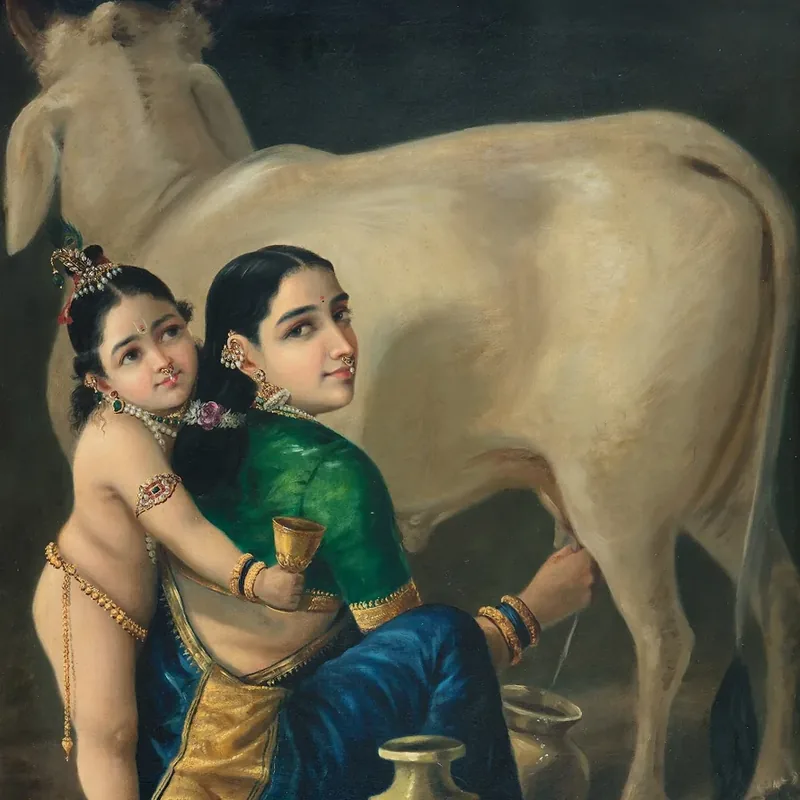
Mirabai16th century
श्याम पिया मोरी रंग दे चुनरिया
Mero Pyaro Aayo (Meera bhajan)
By Mirabai · हिन्दी
॥ શ્રી ગિરિધરાય નમઃ ॥
Shri Giridharaya Namah
श्याम पिया मोरी रंग दे चुनरिया
Mero Pyaro Aayo (Meera bhajan)
By Mirabai
हिन्दी · 16th century · Bhajan
~1 min readKrishna bhakti
A Mirabai bhajan using the image of dyeing a veil (chunari) in the beloved's colour. The dye is divine love; the cloth is the devotee's whole self. A plea to be so coloured by devotion that nothing else shows through.
- Author
- Mirabai
- Language
- हिन्दी
- Literary form
- Bhajan
- Century
- 16th century
- Tradition
- Krishna bhakti
Voice Lab
Recite in My Voice
Record yourself reciting or singing this work once. Stored only on this device, never uploaded. The player will use your recording instead of the synthetic chant whenever you tap play.
पायो जी मैंने राम रतन धन पायो। वस्तु अमोलिक दी मेरे सतगुरु, किरपा कर अपनायो॥
जनम जनम की पूँजी पाई, जग में सभी खोवायो। खरचै नहिं कोई चोर न लेवै, दिन दिन बढ़त सवायो॥
सत की नाव खेवटिया सतगुरु, भवसागर तर आयो। मीरा के प्रभु गिरधर नागर, हरख हरख जस गायो॥
Meaning
O I have found the priceless wealth of the Name of Ram! My true Guru, in his grace, gave me this invaluable treasure and made me his own. It is the capital of countless lifetimes, while the world loses all else; it is never spent, no thief can steal it, and day by day it grows. With Truth as the boat and the Guru as boatman, I have crossed the ocean of existence. Mira's Lord is Giridhar Nagar — joyfully, joyfully she sings his praise.
Devotional companion
About
A Mirabai bhajan using the image of dyeing a veil (chunari) in the beloved's colour. The dye is divine love; the cloth is the devotee's whole self. A plea to be so coloured by devotion that nothing else shows through.
Meaning
Mirabai rejoices in the imperishable wealth of Krishna's name.
In depth
O I have found the priceless wealth of the Name of Ram! My true Guru, in his grace, gave me this invaluable treasure and made me his own. It is the capital of countless lifetimes, while the world loses all else; it is never spent, no thief can steal it, and day by day it grows. With Truth as the boat and the Guru as boatman, I have crossed the ocean of existence. Mira's Lord is Giridhar Nagar — joyfully, joyfully she sings his praise.
History & context
Composed by Mirabai (16th century). The chunari-dyeing metaphor is classic Braj bhakti imagery — the soul as cloth, divine love as a fast colour that cannot be washed out.
Why people recite it
Sung as a love-song to the Divine, especially in Krishna devotion, expressing the longing to be entirely transformed by love.
Life lessons
- What we give ourselves to, completely, ends up colouring everything we are. Choose that influence with care.
Key themes
MirabaiKrishnaRajasthaniDevotionPremSurrenderName ChantingGuru
About the author
Mirabai
मीराबाई
- Era
- c. 1498–1547 CE (traditional)
- Region
- Rajasthan (Mewar)
- Tradition
- Krishna bhakti
Mirabai was a Rajput princess turned wandering devotee, remembered as one of the most fearless voices of the bhakti movement. She gave herself wholly to Krishna — whom she called Giridhar Nagar, the lifter of Mount Govardhan — and sang of him as her only lord and beloved.
Her padas, composed in Rajasthani and Braj, speak of a love that sets aside rank, custom and fear of the world. For generations of singers, especially women, her voice has stood for the freedom to choose devotion over convention.
Much of her life survives as devotional tradition; her dates and several famous episodes are the traditional account rather than firmly documented fact.
Notable works
Payoji Maine Ram Ratan Dhan PayoMere To Giridhar GopalPag Ghunghru Bandh
Dates and several celebrated episodes are devotional tradition, not documented history.
You may also like
Bhajanहिन्दी
Payoji Maine Ram Ratan Dhan Payo
Mirabai · 16th century
Mirabai's song of finding the priceless jewel of the Divine Name — a wealth no one can steal.
Read & recite →
Ashtakamसंस्कृत
Madhurashtakam
Vallabhacharya · 15th century
Eight verses on the sweetness of Krishna — where every line ends in 'madhuram', sweet.
Read & recite →
Bhajanहिन्दी
Govind Bolo Hari Gopal Bolo
Traditional · Traditional
A joyful call-and-response kirtan of the names of Krishna.
Read & recite →
Source & trust
Public domain
- Attribution
- Mirabai
- Language
- हिन्दी · 16th century
- Source
- Public domain — Mirabai, 16th c.
- References
Devotional commentary and life lessons are editorial reflections. Historical details are limited to well-documented facts; devotional belief is labelled as tradition, never presented as proven history.