StotraAncient
सिद्ध कुञ्जिका स्तोत्रम्
Siddha Kunjika Stotram
By Rudra Yamala Tantra (Shiva to Parvati) · संस्कृत
॥ ૐ ॥
Om
सिद्ध कुञ्जिका स्तोत्रम्
Siddha Kunjika Stotram
By Rudra Yamala Tantra (Shiva to Parvati)
संस्कृत · Ancient · Stotra
~2 min readStotra tradition
A compact stotra said to unlock the full power of the Durga Saptashati. Built around the seed-syllables (bija mantras) of the Divine Mother. Recited when a full Saptashati paath is not possible — the key in place of the door.
- Author
- Rudra Yamala Tantra (Shiva to Parvati)
- Language
- संस्कृत
- Literary form
- Stotra
- Century
- Ancient
- Tradition
- Stotra tradition
Voice Lab
Recite in My Voice
Record yourself reciting or singing this work once. Stored only on this device, never uploaded. The player will use your recording instead of the synthetic chant whenever you tap play.
॥ श्री सिद्ध कुञ्जिका स्तोत्रम् ॥
शिव उवाच — शृणु देवि प्रवक्ष्यामि कुञ्जिकास्तोत्रमुत्तमम्। येन मन्त्रप्रभावेण चण्डीजापः शुभो भवेत् ॥१॥
न कवचं नार्गलास्तोत्रं कीलकं न रहस्यकम्। न सूक्तं नापि ध्यानं च न न्यासो न च वार्चनम् ॥२॥
कुञ्जिकापाठमात्रेण दुर्गापाठफलं लभेत्। अति गुह्यतरं देवि देवानामपि दुर्लभम् ॥३॥
गोपनीयं प्रयत्नेन स्वयोनिरिव पार्वति। मारणं मोहनं वश्यं स्तम्भनोच्चाटनादिकम् ॥४॥
पाठमात्रेण संसिद्ध्येत् कुञ्जिकास्तोत्रमुत्तमम् ॥
॥ अथ मन्त्रः ॥ ॐ ऐं ह्रीं क्लीं चामुण्डायै विच्चे। ॐ ग्लौं हुं क्लीं जूं सः ज्वालय ज्वालय ज्वल ज्वल प्रज्वल प्रज्वल ऐं ह्रीं क्लीं चामुण्डायै विच्चे ज्वल हं सं लं क्षं फट् स्वाहा ॥
॥ अथ स्तोत्रम् ॥ नमस्ते रुद्ररूपिण्यै नमस्ते मधुमर्दिनि। नमः कैटभहारिण्यै नमस्ते महिषार्दिनि ॥१॥
नमस्ते शुम्भहन्त्र्यै च निशुम्भासुरघातिनि। जाग्रतं हि महादेवि जपं सिद्धं कुरुष्व मे ॥२॥
ऐङ्कारी सृष्टिरूपायै ह्रीङ्कारी प्रतिपालिका। क्लीङ्कारी कामरूपिण्यै बीजरूपे नमोऽस्तु ते ॥३॥
चामुण्डा चण्डघाती च यैकारी वरदायिनी। विच्चे चाभयदा नित्यं नमस्ते मन्त्ररूपिणि ॥४॥
धां धीं धूं धूर्जटेः पत्नी वां वीं वूं वागधीश्वरी। क्रां क्रीं क्रूं कालिका देवि शां शीं शूं मे शुभं कुरु ॥५॥
हुं हुं हुङ्कार रूपिण्यै जं जं जं जम्भनादिनि। भ्रां भ्रीं भ्रूं भैरवी भद्रे भवान्यै ते नमो नमः ॥६॥
अं कं चं टं तं पं यं शं वीं दुं ऐं वीं हं क्षम्। धिजाग्रं धिजाग्रं त्रोटय त्रोटय दीप्तं कुरु कुरु स्वाहा ॥७॥
पां पीं पूं पार्वती पूर्णा खां खीं खूं खेचरी तथा। सां सीं सूं सप्तशती देव्या मन्त्रसिद्धिं कुरुष्व मे ॥८॥
॥ इदं तु कुञ्जिकास्तोत्रं मन्त्रजागर्तिहेतवे। अभक्ते नैव दातव्यं गोपितं रक्ष पार्वति ॥९॥
यस्तु कुञ्जिकया देवि हीनां सप्तशतीं पठेत्। न तस्य जायते सिद्धिररण्ये रोदनं यथा ॥१०॥
॥ इति श्री रुद्रयामले गौरीतन्त्रे शिवपार्वती संवादे कुञ्जिकास्तोत्रं सम्पूर्णम् ॥
Meaning
A short tantric hymn from the Rudra Yamala, in which Shiva tells Parvati that recitation of this 'key' (kunjika) alone yields the fruit of reciting the entire Durga Saptashati. Traditionally chanted during Navratri for the empowerment of the Chandi Path.
Devotional companion
About
A compact stotra said to unlock the full power of the Durga Saptashati. Built around the seed-syllables (bija mantras) of the Divine Mother. Recited when a full Saptashati paath is not possible — the key in place of the door.
Meaning
The 'master key' stotra of the Durga Saptashati — a short, potent hymn to the Goddess.
In depth
A short tantric hymn from the Rudra Yamala, in which Shiva tells Parvati that recitation of this 'key' (kunjika) alone yields the fruit of reciting the entire Durga Saptashati. Traditionally chanted during Navratri for the empowerment of the Chandi Path.
History & context
Attributed to the Rudra Yamala Tantra. Considered an essential 'master key' for any Devi sadhana, but to be received from a guru.
Why people recite it
Recited during Navratri and on Fridays, and by devotees of the Goddess seeking her protection and strength when a full Saptashati recital is impractical.
Life lessons
- The right small effort, applied at the right point, can move what brute force cannot. A key is lighter than a battering ram.
Key themes
DeviShaktiTantraNavratriStotraShivaSurrenderName Chanting
You may also like
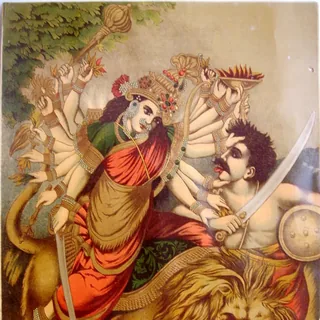
Stotraसंस्कृत
Mahishasura Mardini Stotram (Aigiri Nandini)
Adi Shankaracharya (traditionally attributed) · 8th century
The thunderous Navratri hymn to Durga, slayer of the buffalo-demon.
Read & recite →
Shlokaसंस्कृत
Sarva Mangala Mangalye
Durga Saptashati (Markandeya Purana) · Ancient
The crowning prayer of the Devi Mahatmya to Narayani.
Read & recite →
Ashtakamसंस्कृत
Mahalakshmi Ashtakam
Indra (from Padma Purana) · Ancient
Eight verses to Mahalakshmi — goddess of abundance, grace and inner wealth.
Read & recite →
Stotraसंस्कृत
Sri Suktam (opening)
Rigveda (Khila Sukta) · Vedic
The Rigvedic hymn to Lakshmi for prosperity and grace.
Read & recite →
Stotraसंस्कृत
Kanakadhara Stotram (opening)
Adi Shankaracharya · 8th century
Shankaracharya's hymn that rained gold for the destitute.
Read & recite →
Shlokaसंस्कृत
Saraswati Namastubhyam
Traditional Sanskrit prayer · Ancient
The student's prayer to Saraswati before study.
Read & recite →
Source & trust
Public domain
- Attribution
- Rudra Yamala Tantra (Shiva to Parvati)
- Language
- संस्कृत · Ancient
- Source
- Rudra Yamala Tantra, Gaurītantra; reference text at sanskritdocuments.org. Pre-modern composition, public domain.
Devotional commentary and life lessons are editorial reflections. Historical details are limited to well-documented facts; devotional belief is labelled as tradition, never presented as proven history.